Loft Conversion in a Gable Roof: Costs, Headroom and Building Regulations
October 08, 2026 - Gable Roofs

October 04, 2026 - Design Ideas
October 02, 2026 - Roofing
A roof rarely fails without warning. A slipped slate, a damp patch on the ceiling that appears after a February gale, a gutter sagging under the weight of winter moss — these things build up quietly over months rather than overnight. Check and clear at the right time of year, when the weather is on your side, and small jobs stay small. What follows is a working calendar for UK roofs, from the first mild days of March to the short, wet afternoons of December.
Once the hard frosts have passed and you get a dry, mild week, walk a slow lap of the house and look up. Missing or slipped tiles and slates show as gaps or darker patches; crumbling mortar along the ridge and hips is usually visible from ground level with a pair of binoculars. Note anything that has shifted rather than trying to fix it on the spot.
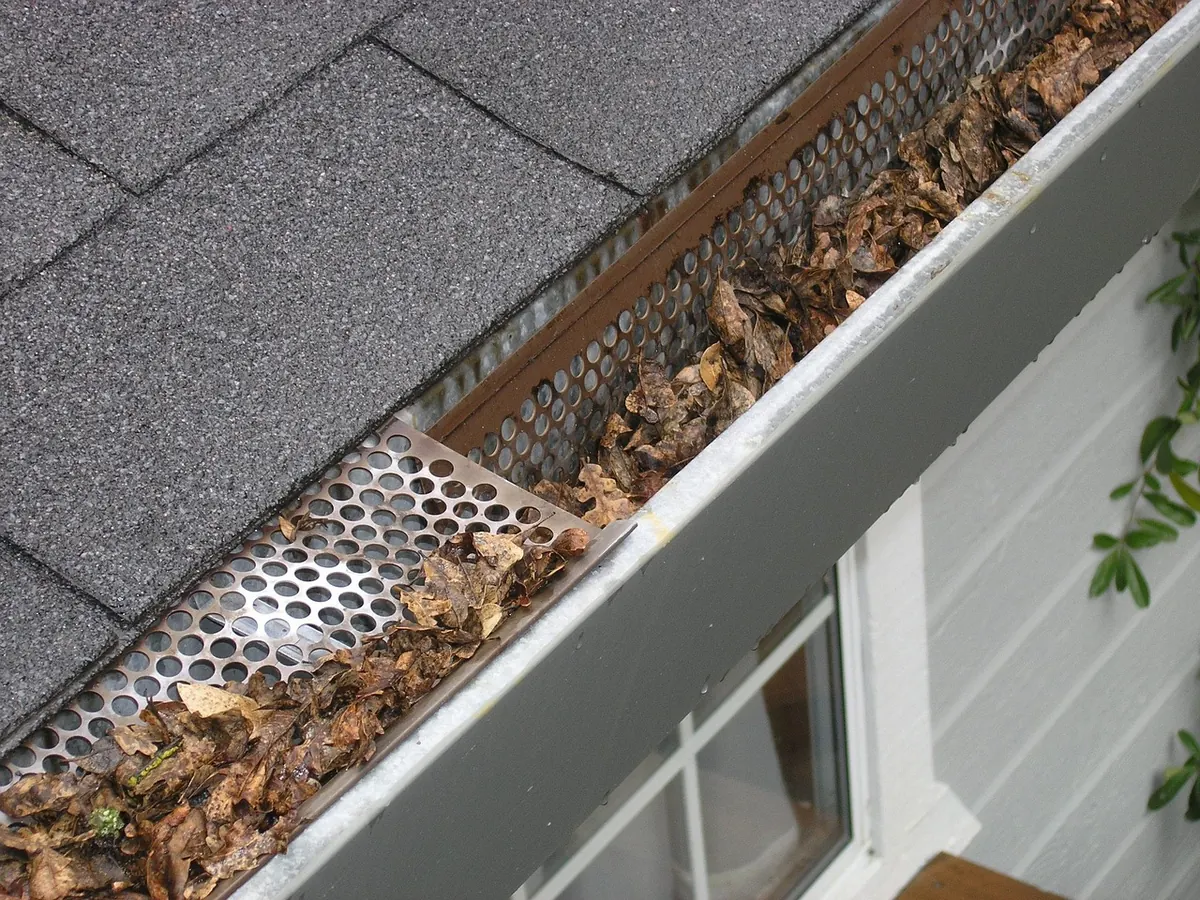
Use March and April to clear the gutters. Winter leaves behind a mix of grit, moss and broken tile fragments, and it sets hard behind the brackets. Scoop it out by hand with gloves on, bag it, then flush each run with a hose and watch the joints for drips. Check that downpipes are clear and discharging into a drain rather than down the wall, where they stain render and soften pointing.
Inside, look at ceilings and the tops of walls near chimneys and valleys for new staining. A brown ring or a soft patch is worth investigating before it spreads.
Warm, dry days are what mortar, sealant and paint need, so June, July and August are the time for anything that has to set. Ridge and hip tiles can be re-bedded, chimney flaunching — the mortar collar around the base of a pot — can be renewed, and fascias and soffits can be prepared and painted.
Moss deserves proper attention in summer. It is not just cosmetic: it holds water against the tiles, and when that moisture freezes it lifts edges and opens the way for more water. Scrape it off with a soft brush or plastic scraper. Pressure washing feels satisfying but strips the surface from concrete tiles and can force water up under the overlaps, so keep the pressure low and the nozzle angled down the slope if you use one at all. Treating afterwards with a suitable biocide slows regrowth, particularly on north-facing slopes where moss does best.
While the weather holds, look at any flat roof over a garage or extension. Blisters, splits and open seams are easier to spot in dry conditions, and standing water that lingers for days after rain hints that the fall has gone.
By October the trees are shedding and the first gales are on the way. The most useful thing you can do before then is make sure water has somewhere to go.
A pre-winter check, best done on a dry day:
Winter is for monitoring, not maintenance. Frost-covered and wet roofs are dangerous to walk on, and many roofing materials misbehave in the cold: mortar does not cure, sealants do not bond, and tiles and slates become brittle and easy to crack.
After a gale or a long spell of driving rain, check from the ground and from the loft hatch. Look for new drips, damp patches on ceiling plaster, water tracking down a rafter, or staining that has grown since the autumn. If you find a leak, put a bucket underneath, photograph what you can see for your insurer, and move anything valuable out of the way.
Be aware that not every winter damp patch is a roof leak. Warm, moist air rising from the house and condensing on a cold roof underside looks similar, but usually shows as general blackening or beads of water rather than a stain in one place. Better loft ventilation and insulation is the answer there, not a new roof.
Anything above gutter height can wait until the weather improves. Water damage is annoying; a fall is serious.
Some jobs are realistic for a careful homeowner with a stepladder: clearing a gutter, scooping leaves out of a valley, replacing a plastic gutter bracket. Anything that means walking on the roof, working at height for more than a few minutes, or touching something structural is not. Sagging rooflines, water coming in, cracked chimney stacks, roof spread and any lead work all need someone who does it every week and carries the right insurance.
When you get quotes, ask what is included, whether scaffolding is part of the price, and what guarantee comes with the work. Two or three quotes is normal for anything substantial. Keep photographs and receipts — if a repair follows storm damage, your insurer may ask for them. If a problem turns out to be structural, or you are dealing with an insurance claim, take professional advice before agreeing to anything.
A roof looked after on a calendar rather than in a crisis tends to last longer, cost less, and produce far fewer unpleasant surprises on a Sunday night in January.
Photo: 123switch / Pixabay
A practical guide to gable loft conversions, covering headroom calculations, structural work, insulation, building...
Gable roof extensions often fall under permitted development, but height limits and local rules can trigger the need...
Copyright © 2026 Gable Lab. All Right Reserved.